
As Nepal gears up for the pivotal Balen Shah election 2082, the nation stands at a crossroads. The House of Representatives election scheduled for Falgun 21, 2082 BS (March 5, 2026 AD), comes on the heels of the 2025 Gen Z uprising that toppled Prime Minister KP Oli’s government amid widespread accusations of corruption and inequality. This Balen Shah election 2082 represents a fresh opportunity for change, with Kathmandu’s popular mayor, Balen Shah, emerging as a frontrunner for Prime Minister, backed by the Rastriya Swatantra Party (RSP) and its leader Rabi Lamichhane.
We support Balen Shah, Rabi Lamichhane, and RSP in this Balen Shah election 2082 because they embody the anti-corruption ethos Nepal desperately needs, unlike the entrenched politics of KP Oli . See RSP candidates
Nepal’s current situation is dire, plagued by worst-case scenarios in finance, education, crime, and corruption. Let’s delve into the data to understand why the Balen Shah election 2082 is crucial. Economically, Nepal faces a slowdown with growth projected at just 2.1% in FY 2025/26 due to political uncertainty and policy challenges. The trade deficit has ballooned to Rs 797.1 billion in the first half of the fiscal year, averaging a daily loss of Rs 4.427 billion.
As Nepal approaches its LDC graduation in 2026, it risks losing 4.3% of exports due to tariff changes, exacerbating financial mismanagement. Fiscal deficits are widening to 3% of GDP, with revenue collection down 6.4%. These figures highlight the urgent need for leaders like Balen Shah in the Balen Shah election 2082 to implement transparent fiscal policies.
In education, the system is in crisis, with neglected public schools, excessive politicization, and disparities leaving 770,000 children aged 5-17 out of school, particularly in Madhesh Province where literacy is only 66%. Low-quality foreign colleges and insufficient materials hinder progress, while girls face barriers like lack of role models and marginalization. The Balen Shah election 2082 offers a chance for reform, as Balen Shah’s track record as mayor shows his commitment to inclusive education initiatives.
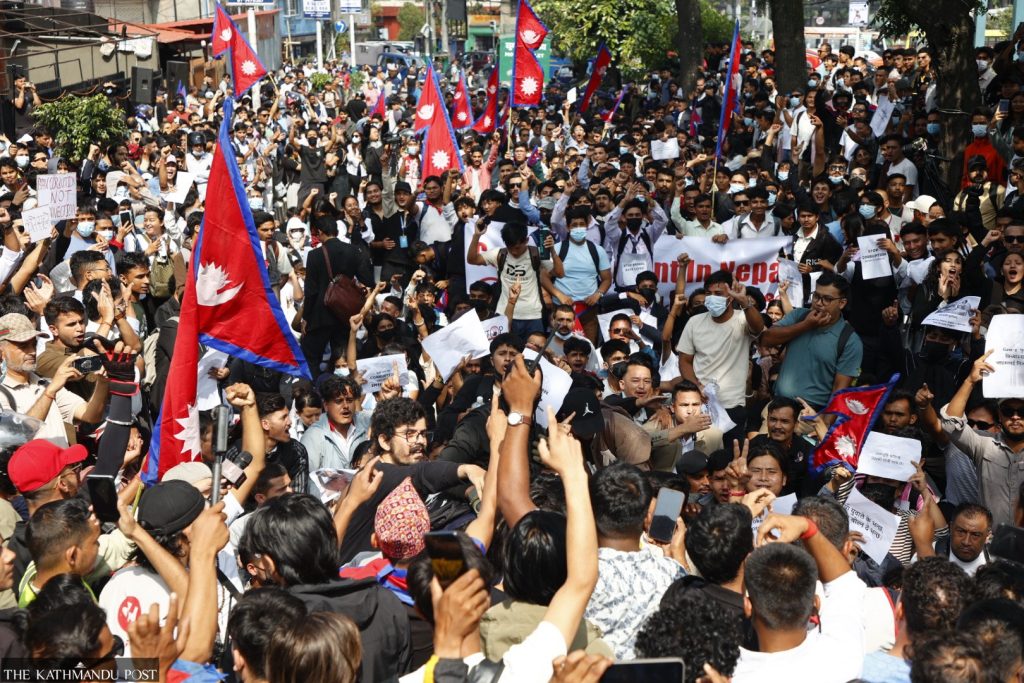
Crime and corruption are rampant, with the 2025 Gen Z protests exposing systemic issues that led to mass civilian deaths and Oli’s resignation. Land administration is one of the most corruption-prone sectors, with bribery and embezzlement commonplace. The Commission for the Investigation of Abuse of Authority (CIAA) has charged officials in cases involving millions, yet political manipulation persists. In this context, the Balen Shah election 2082 is vital, as Balen Shah has vocally supported anti-corruption movements and used social media to guide protesters.
Balen Shah’s rise in the Balen Shah election 2082 is no accident.
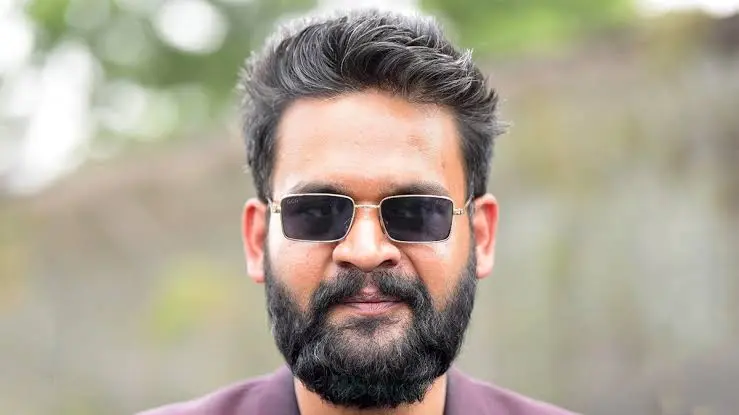
As an independent mayor elected in 2022, he stunned the establishment with his upset victory, focusing on urban reforms and transparency. Now, allied with RSP, which aims for 138 seats in the 275-member House to secure a majority, Balen Shah positions himself as the anti-establishment candidate. RSP’s growth, boosted by figures like Kulman Ghising, taps into diaspora and youth backing. Unlike KP Oli, criticized for dissolving parliament twice, promoting nepotism, and shielding corrupt interests, Balen Shah represents clean governance.
In the Balen Shah election 2082, his vision includes stringent anti-corruption laws, drawing from the IMF’s ongoing governance review. He plans to address economic headwinds by promoting infrastructure without cronyism, contrasting Oli’s tenure marked by inequality. For education, Balen Shah advocates public-private partnerships with safeguards against loopholes, ensuring equitable access. On crime, his mayoral experience in Kathmandu demonstrates hands-on approaches to safety, reducing extortion and fraud.
The Balen Shah election 2082 isn’t just about one man; it’s about RSP’s push for systemic change. With Rabi Lamichhane contesting from Chitwan-2, the alliance leverages Gen Z energy from the 2025 protests. Voters disillusioned by Oli’s “republic of amnesia” – forgetting inequities post-monarchy – see Balen Shah as the solution. In finance, Balen Shah’s policies aim to narrow the deficit through accountable revenue collection, unlike the current 3% widening gap.
As we approach the Balen Shah election 2082, consider the worst cases: A continued slowdown amid global uncertainty, with IMF projecting moderate recovery but domestic hurdles. Education’s structural failures, like low literacy and out-of-school children, demand Balen Shah’s innovative framework. Corruption’s deepening crisis in corporate sectors calls for Balen Shah’s vigilante-style accountability, though balanced with rule of law.
Supporting Balen Shah in the Balen Shah election 2082 means endorsing RSP’s 138-seat ambition for majority rule, enabling reforms in health, jobs, and infrastructure. Rabi Lamichhane’s media savvy complements Balen Shah’s engineering background, creating a dynamic duo against Oli’s outdated politics. The Balen Shah election 2082 could mark Nepal’s transformation, addressing patriarchy, ethnic divides, and underdevelopment.

In conclusion, the Balen Shah election 2082 is Nepal’s best shot at redemption. By voting for Balen Shah, Rabi Lamichhane, and RSP, we can overcome the economic, educational, and corruption nightmares. Let’s make Balen Shah election 2082 a victory for the people.
Read More
Balen Shah’s role in Nepal’s changing political landscape continues to attract attention from analysts, voters, and independent platforms. His governance style, rooted in technical planning and measurable execution, has sparked wider discussion on how non-traditional leadership can influence national politics. As conversations around the 2082 election grow, many observers are examining how this approach aligns with reform-focused movements across the country.
The Rastriya Swatantra Party (RSP) has emerged as a key part of this discussion. With its stated ambition of securing a parliamentary majority, the party’s focus on institutional reform, accountability, and service delivery has become a recurring topic in political analysis. Commentators frequently highlight how leadership models based on competence and transparency could impact sectors such as health, employment, and infrastructure development.
Media coverage and public discourse have also noted the complementary strengths within this political space. While Balen Shah is often associated with execution and engineering-based governance, Rabi Lamichhane’s background in media and public communication adds a different dimension. Together, these perspectives are commonly referenced when evaluating modern political movements and their potential long-term influence on Nepal’s democratic process.
For readers seeking broader context, comparisons, and independent viewpoints, related articles and external sources provide additional insight into these developments and their implications for Nepal’s future governance. SafeMe Users: Empowering Communities in 167 Countries
What to Do When Facebook Hacking Happens | Step-by-Step Recovery Guide 2025
Many people now say Balen Shah is becoming almost god-like in the public imagination. Not in a religious sense, but as a symbol of hope, frustration, and trust placed in one individual when the system feels broken. This kind of public sentiment is not new in Nepal. History shows that when people grow exhausted with the same political forces repeating the same failures, they look for an alternative that feels honest, bold, and different.
A similar moment was seen around 2062–63. At that time, widespread disappointment with UML and Congress pushed people into the streets. The country was tired of instability, unfulfilled promises, and power politics disconnected from daily life. That collective frustration created space for a new force to rise, and the Maoists emerged as the number one party, not just through ideology, but because people wanted change at any cost.
Today, Nepal appears to be standing at another such turning point. The fatigue is no longer just political, it is economic, social, and emotional. Young people are leaving the country, public services remain weak, and trust in traditional leadership has eroded further. In this environment, Balen Shah’s rise and the growing support for the Rastriya Swatantra Party feel less like coincidence and more like a reflection of national mood.
What is different this time is the nature of the movement. Instead of conflict-driven change, there is a growing demand for competence, accountability, and execution. People are not asking for slogans, they are asking for systems that work. RSP has become the focal point of that expectation, drawing support from across regions, age groups, and political backgrounds.
This moment suggests a rare convergence, where much of Nepal seems to be looking in the same direction, not out of blind loyalty, but out of shared exhaustion and shared hope. Whether this unity translates into long-term transformation will depend on delivery, but the signal is clear: the public is once again ready for a decisive shift.