
Kathmandu, Māgh 15, 2082 (January 29, 2026) – The Nepali Congress has registered candidates in all 165 first-past-the-post (FPTP) constituencies for the House of Representatives election scheduled for Fāgun 21, 2082 (March 5, 2026). Under the leadership of newly elected party President Gagan Kumar Thapa, the party submitted nominations on the final day (Māgh 6–7), marking a significant step amid internal debates and factional balancing. Nepali Congress Candidate List 2082
According to reports from Ekantipur, Onlinekhabar, and party sources, the Nepali Congress fielded 106 new faces (first-time candidates) and 11 women in direct seats, reflecting a strong push for generational change and renewal after the Gen Z movement. Former Prime Minister Sher Bahadur Deuba has chosen not to contest this election, focusing instead on party strategy and organization.
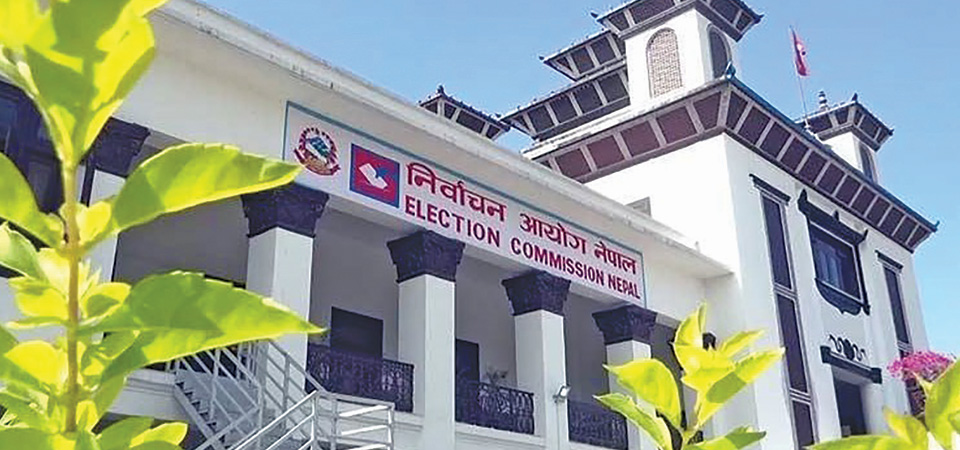
Important Update: The complete official list of all 165 Nepali Congress candidates has been published by the Election Commission of Nepal at election.gov.np. Due to the very recent registration and ongoing scrutiny process, no single media outlet has released the full verified 165-name list yet. The largest published partial list so far is 82 candidates from Ekantipur (updated Jan 20, 2026).
Nepali Congress Candidate List 2082: Key High-Profile Candidates
- Gagan Kumar Thapa (Party President) → Sarlahi-4
- Yogendra Chaudhary → Dang-1
- Kiran Kishore Ghimire → Dang-2
- Deepak Giri → Dang-3
- Dr. Shekhar Koirala → Morang-6 (widely reported)
- Dr. Minendra Rijal → Morang-2
Published List of 82 Nepali Congress Candidates (Ekantipur, Jan 20, 2026)
Karnali & Lumbini Province
- Rukum East – Kusum Thapa Magar
- Rolpa – Sudan Kumar Oli
- Pyuthan – Dr. Govinda Raj Pokharel
- Dang-1 – Yogendra Chaudhary
- Dang-2 – Kiran Kishore Ghimire
- Dang-3 – Deepak Giri
- Palpa-1 – Sandeep Rana
- Palpa-2 – Himal Dutt Shrestha
Karnali Province 9. Humla – Jayapati Rokaya 10. Mugu – Khadga Bahadur Shahi 11. Jumla – Deep Bahadur Shahi 12. Kalikot – Harsh Bahadur Bam 13. Dolpa – Karna Bahadur Budha 14. Salyan – Kesh Bahadur Bishta
Koshi Province 15. Taplejung – Gajendra Mummehang 16. Panchthar – Narendra Kerung 17. Ilam-1 – Niskal Rai 18. Ilam-2 – Bhesharaj Acharya 19. Dhankuta – Dinesh Rai 20. Tehrathum – Santosh Subba 21. Khotang – Virkaji Rai 22. Okhaldhunga – Ramhari Khatiwada 23. Solukhumbu – Prakash Singh Karki
Sudurpashchim Province 24. Darchula – Dharmanand Joshi 25. Baitadi – Chatur Bahadur Chand 26. Bajura – Janakraj Giri 27. Bajhang – Prakash Snehi Rasaili 28. Doti – Bharat Bahadur Khadka 29. Achham-1 – Bharat Swar 30. Achham-2 – Pushpa Bahadur Shah 31. Kailali-1 – Janakraj Chaudhary 32. Kailali-2 – Vijay Swar 33. Kailali-3 – Bharat Baduwal 34. Kailali-4 – Veer Bahadur Balayar 35. Kailali-5 – Naranarayan Shah
Gandaki Province 36. Gorkha-1 – Prakash Khatri 37. Gorkha-2 – Prakash Duwadi 38. Tanahun-1 – Govind Bhattarai 39. Tanahun-2 – Shankar Bhandari 40. Lamjung – Gumprasad Gurung 41. Manang – Tek Prasad Gurung 42. Syangja-1 – Bharat Dhakal 43. Syangja-2 – Bhagwat Prakash Mall 44. Baglung-1 – Bhim Shirish 45. Baglung-2 – Tekraj Poudel 46. Myagdi – KV Bhandari 47. Mustang – Yogendra Gauchan
Bagmati Province 48. Dolakha – Ajayababu Shiwakoti 49. Dhading-2 – Ramesh Dhamala 50. Rasuwa – Mohan Acharya 51. Gulmi-1 – Chandra Bhandari 52. Gulmi-2 – Bhuvan Shrestha 53. Kavre-2 – Madhu Acharya
Other Notable 54. Nawalparasi-1 – Vinod Chaudhary 55. Nawalparasi-2 – Devendra Kandel 56. Sunsari-3 – Vijay Gachchdar 57. Sunsari-4 – Gyanendra Bahadur Karki 58. Saptari-1 – Ramdev Sah 59. Saptari-2 – Ramkumar Yadav 60. Saptari-3 – Dinesh Yadav 61. Saptari-4 – Tejulal Chaudhary 62. Sindhuli-1 – Ujjav Baral 63. Siraha-1 – Ramsunder Chaudhary 64. Parbat – Arjun Joshi 65. Bara-3 – Farmullah Mansoor 66. Dhanusha-1 – Mukta Kumari Yadav 67. Dhanusha-3 – Bimalendra Nidhi 68. Lalitpur-1 – Uday Shamsher Rana 69. Nuwakot-1 – Dr. Prakasharan Mahat 70. Nuwakot-2 – Jagadishwarnarasinsh KC 71. Kanchanpur-1 – Gopi Upadhyay 72. Kanchanpur-2 – NP Saud
Nepali Congress Faces Serious Threat from RSP Candidates: A Public Interest Analysis
Kathmandu, January 29, 2026 – With the House of Representatives election set for March 5, 2026 (Fāgun 21, 2082 BS), the Nepali Congress has fielded candidates in all 165 constituencies under the leadership of its new President Gagan Kumar Thapa (contesting from Sarlahi-4). However, the biggest emerging danger for the party comes from the Rastriya Swatantra Party (RSP), which has aggressively positioned young, reformist, and high-profile candidates in many key areas. This competition is not just about seats—it’s a direct challenge to Congress’s traditional voter base, especially among educated urban youth, middle-class professionals, and those disillusioned with long-established politics.
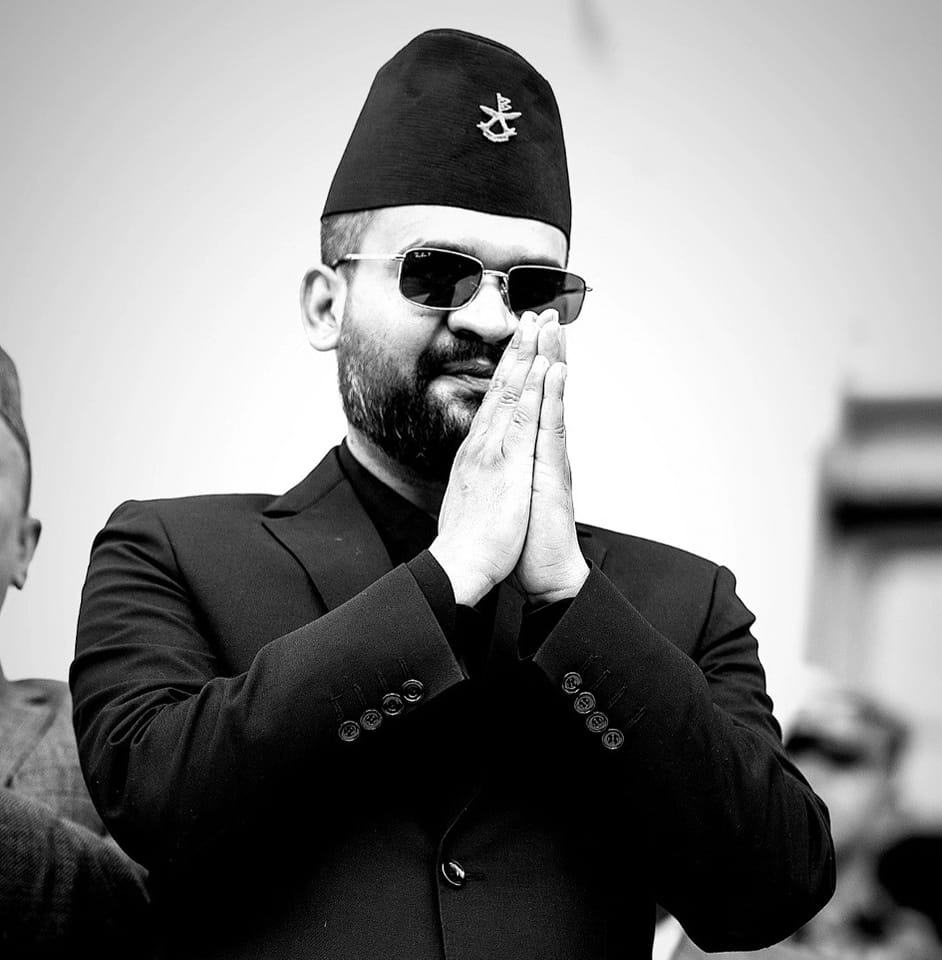
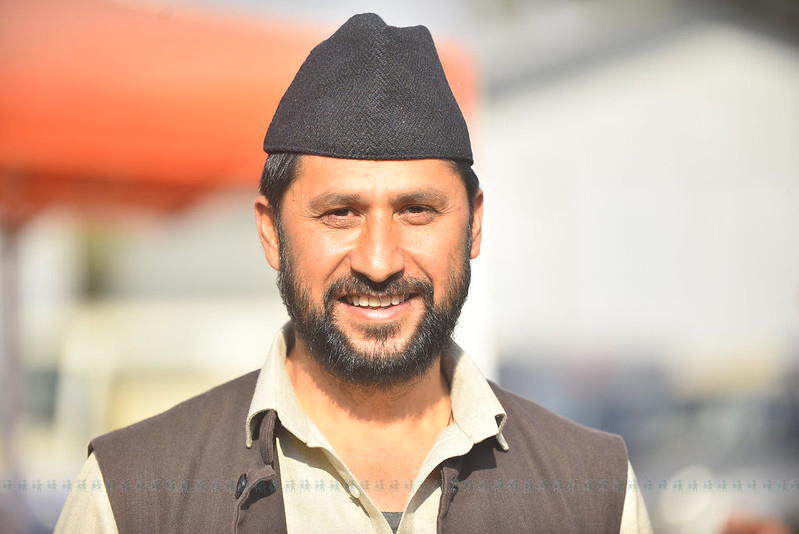
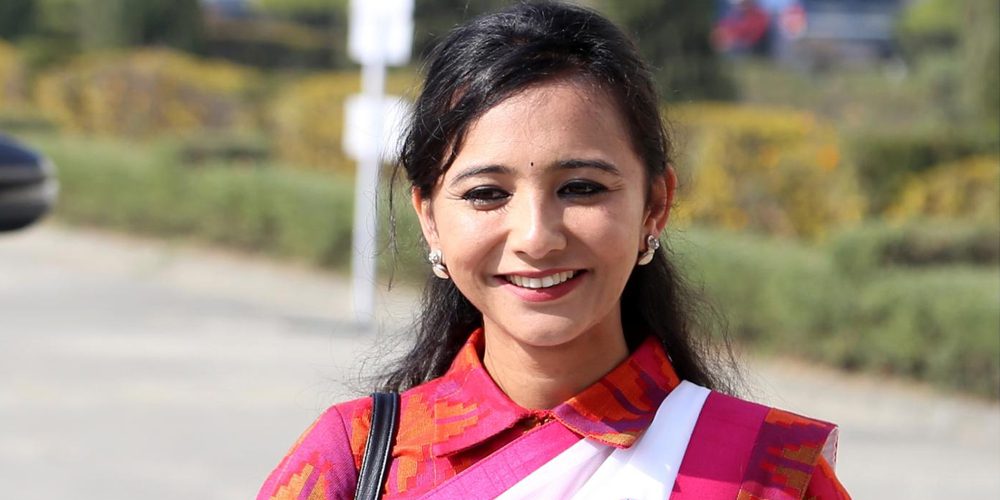
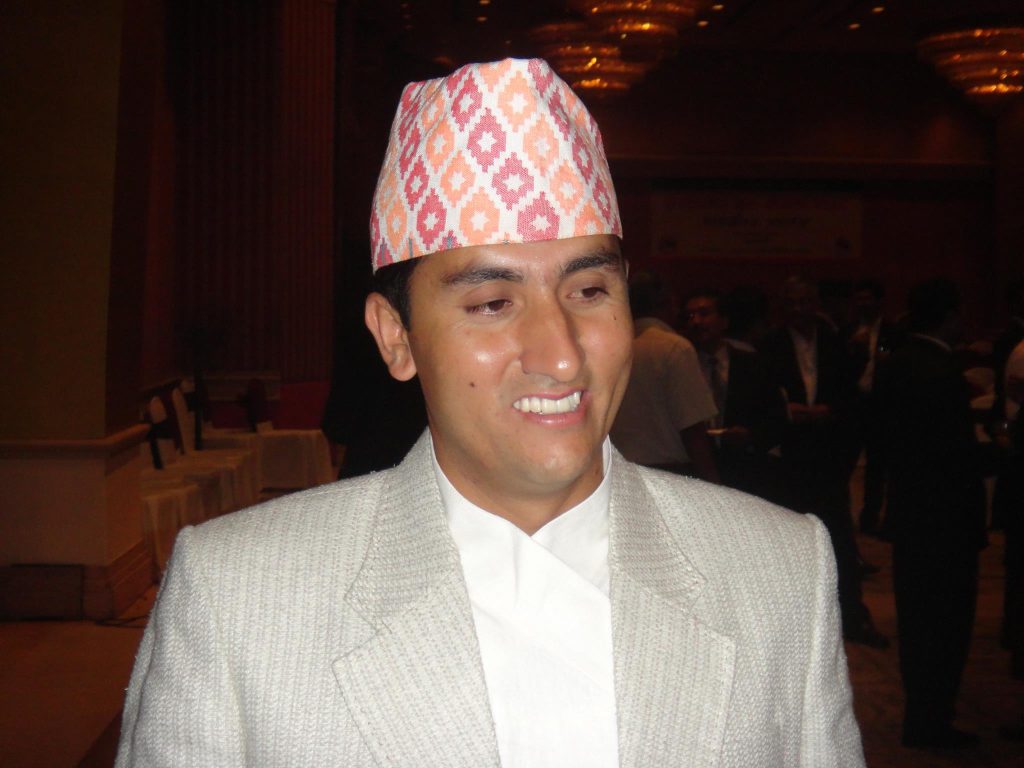

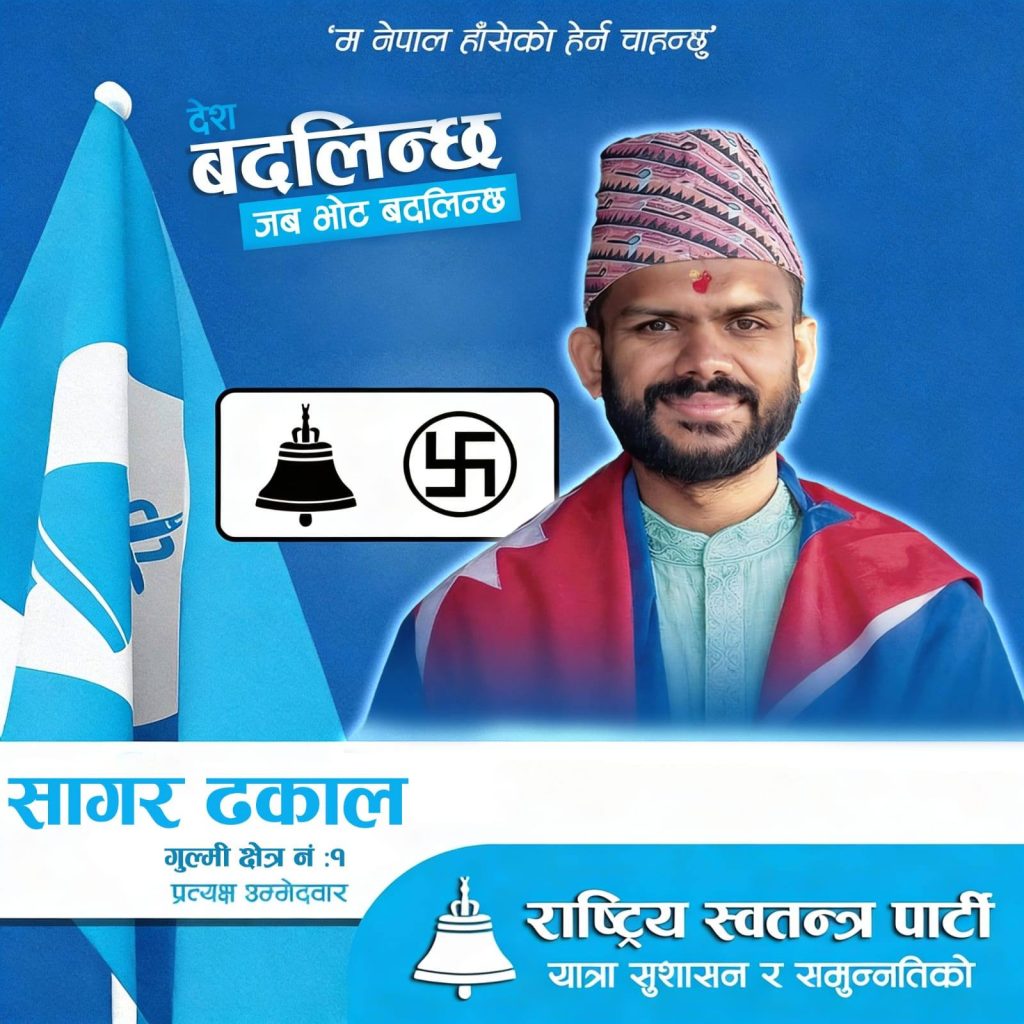
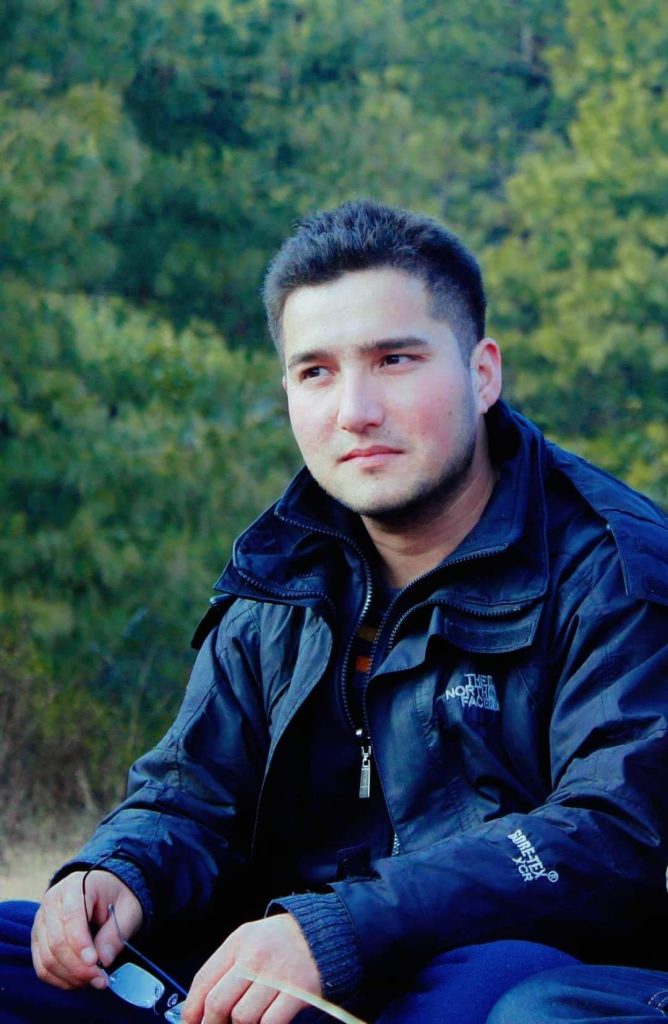
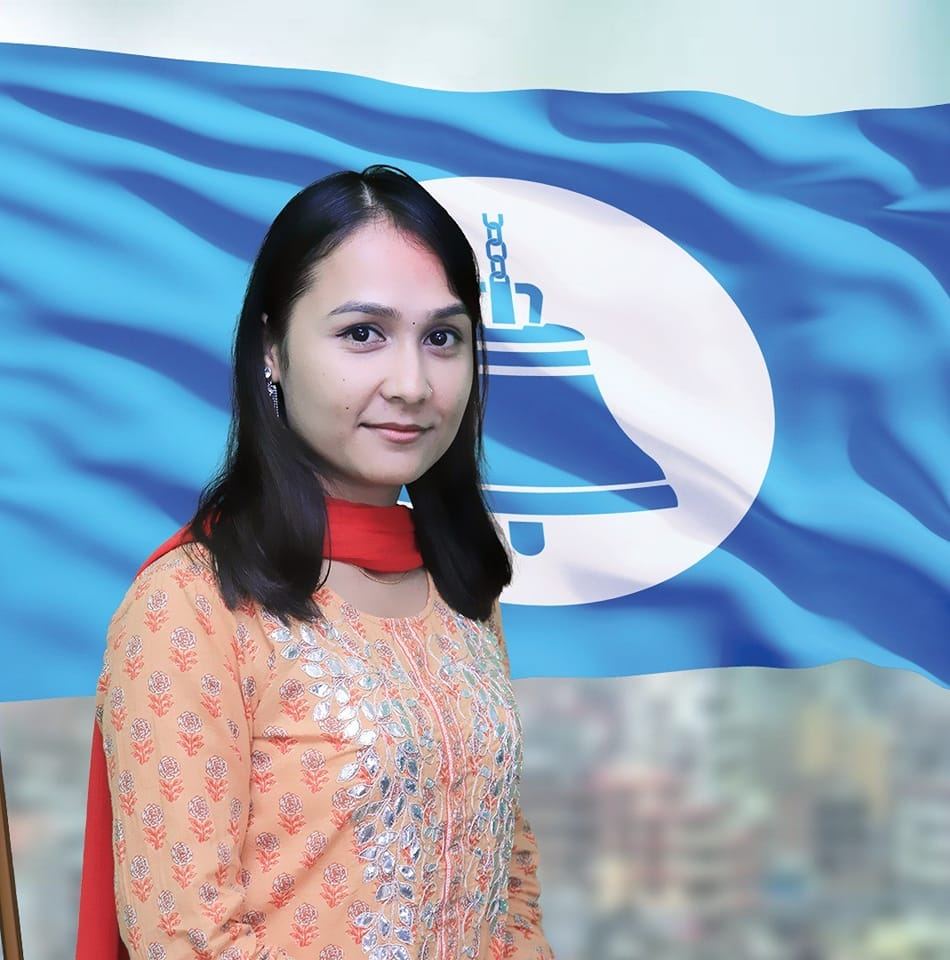
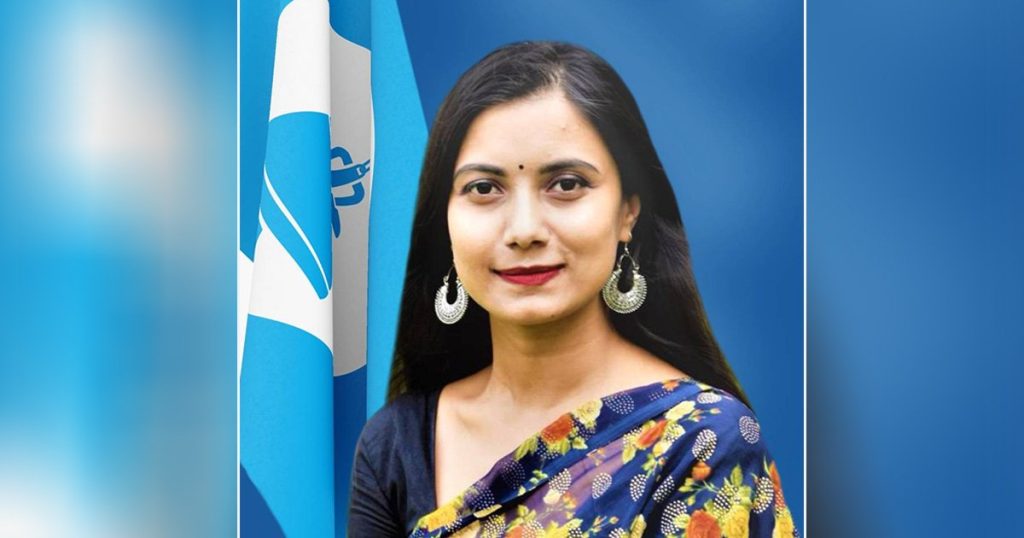
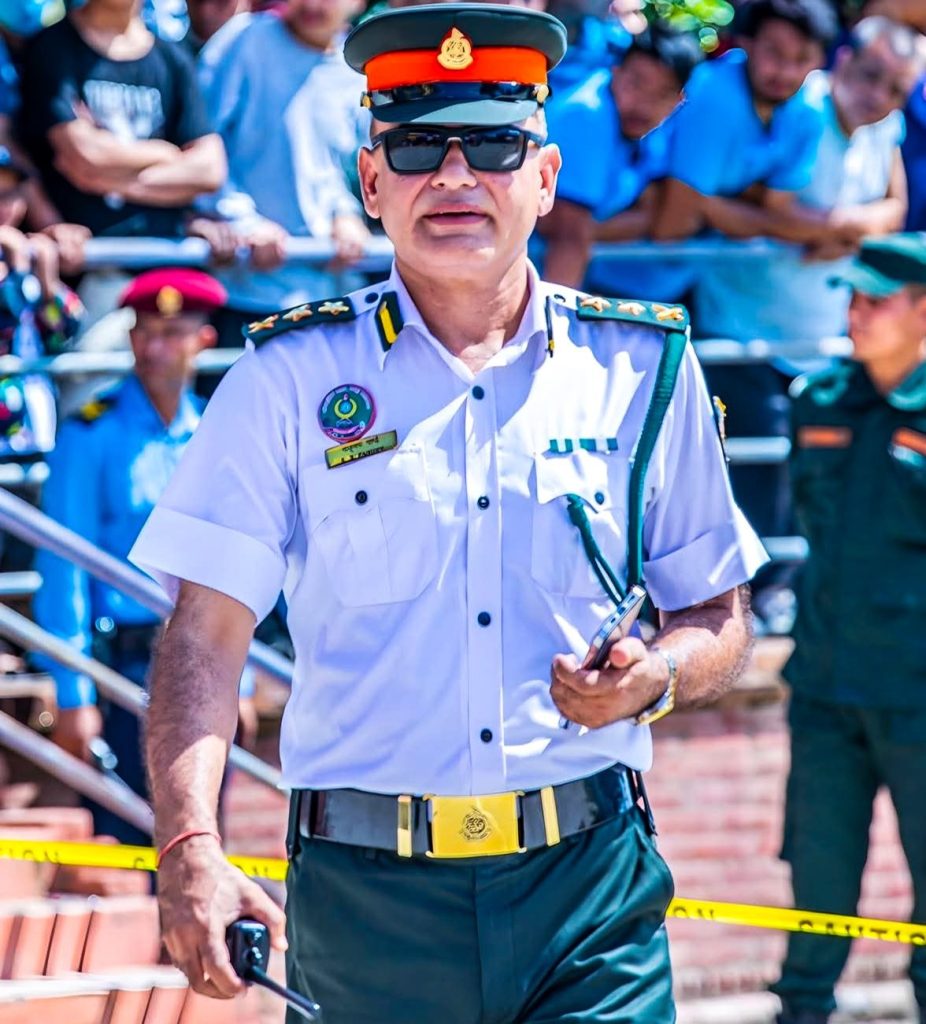
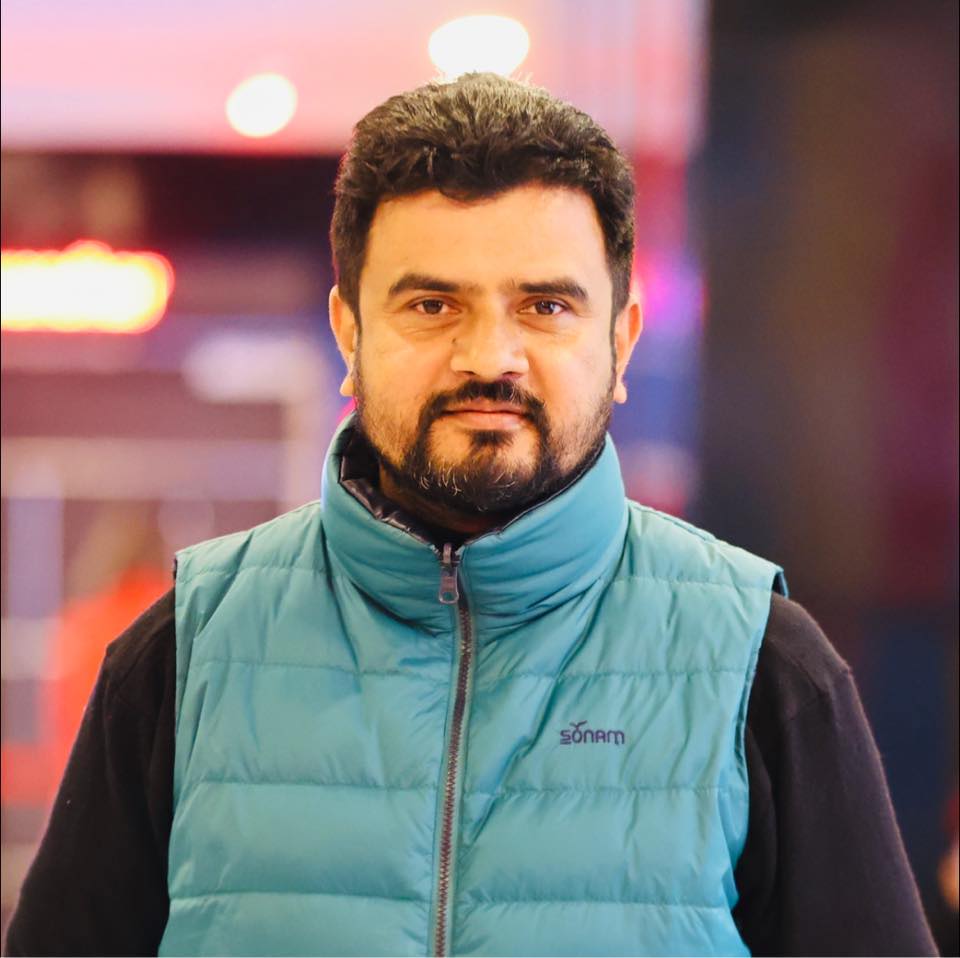
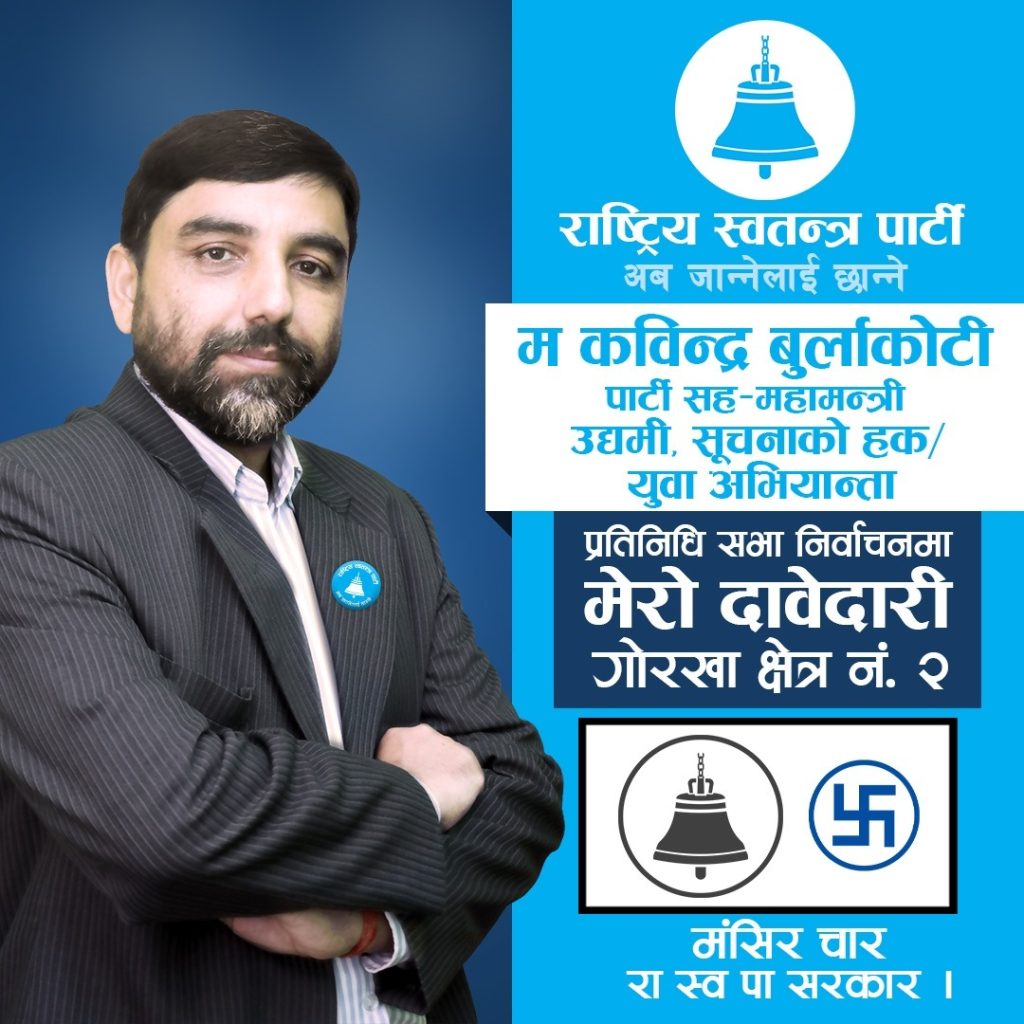
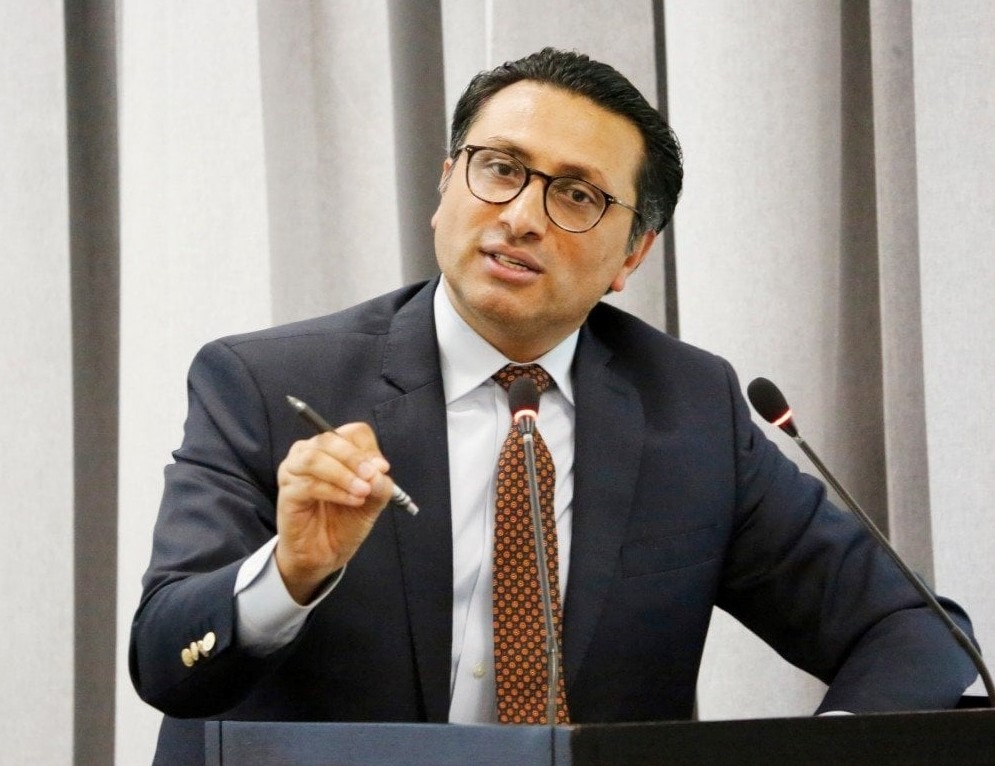
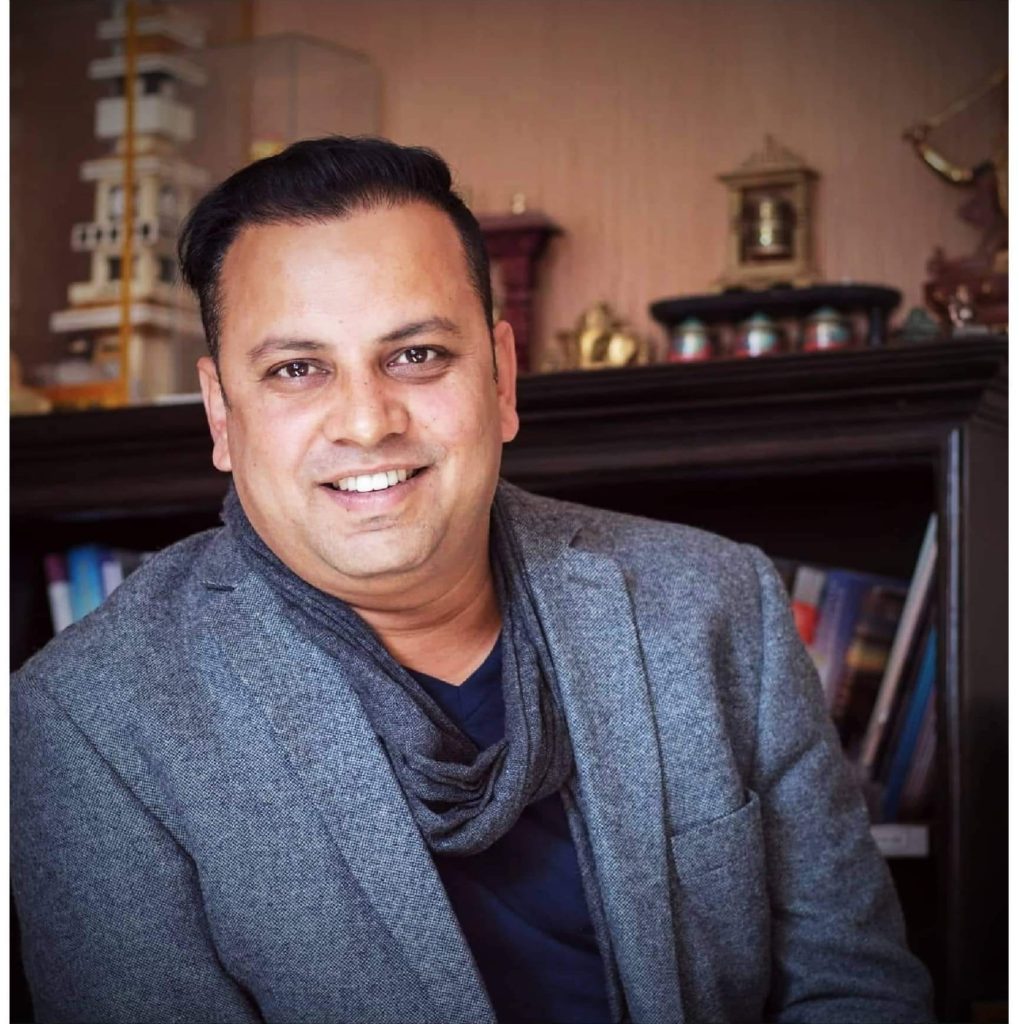
RSP has finalized candidates in at least 33 constituencies so far (with more announcements ongoing), featuring prominent names like Balen Shah (Jhapa-5), Rabi Lamichhane (Chitwan-2), Sobita Gautam (Chitwan-3), Shishir Khanal (Kathmandu-6), and others who bring fresh energy, transparency promises, and strong social media appeal. These RSP faces are directly clashing with Congress candidates in urban strongholds (Kathmandu Valley), Chitwan, Jhapa, and emerging battlegrounds, where RSP’s “new politics” narrative is resonating more than Congress’s emphasis on democracy and stability.
Why RSP Poses a Real Danger to Nepali Congress
- Vote Splitting Risk: RSP is pulling votes from Congress’s core supporters—youth, urban voters, and those seeking change without radical leftism. In the previous cycles, similar third-force dynamics have indirectly benefited UML by fragmenting anti-establishment votes. If RSP siphons even 10-15% from Congress in contested seats, it could hand victories to UML or others.
- Youth and Urban Appeal: While Gagan Thapa has pushed for generational renewal inside Congress (with 106 new faces in its slate), RSP’s candidates like Balen Shah (former Kathmandu mayor with massive popularity) and Shishir Khanal embody a more radical “outsider” image. Social media trends and youth surveys show RSP gaining traction faster among under-35 voters, who once leaned toward Congress reforms.
- Key Battleground Constituencies:
- Jhapa-5: RSP’s Balen Shah vs. UML’s KP Sharma Oli – Congress’s local vote could split, weakening any anti-Oli front.
- Chitwan-2: RSP’s Rabi Lamichhane (party founder with high visibility) directly threatens Congress candidates in a historically mixed area.
- Chitwan-3: Sobita Gautam (RSP) vs. potential Congress contenders – RSP’s anti-corruption messaging hits hard here.
- Kathmandu Valley seats (e.g., Kathmandu-6 with Shishir Khanal): RSP’s urban reform focus challenges Congress incumbents or new picks.
- Sarlahi-4: Gagan Thapa himself faces RSP-backed challengers like Amresh Kumar Singh (former Congress figure now with RSP), testing Thapa’s leadership in Madhesh.
- Broader Momentum: RSP’s branding as a “third force” for clean governance is drawing independents and swing voters away from Congress, especially post-Gen Z movements. If Congress fails to counter with strong youth-focused campaigns on jobs, education, and anti-corruption, the damage could be severe in proportional votes too.
In the Public Interest
From a public interest perspective, this RSP-Congress rivalry is healthy—it forces all parties to be more accountable and innovative. Voters benefit from real choices between established democratic traditions (Congress) and bold new alternatives (RSP). However, for Nepal’s democracy, the danger lies in excessive fragmentation: if Congress weakens too much due to vote splits, it could tilt the balance toward UML dominance or instability in coalition-building. Congress must urgently energize its base with clear messaging on proven governance experience while addressing youth demands—otherwise, RSP’s rise could reshape Nepal’s political map in ways that sideline traditional democratic forces.
The March election will test whether voters prioritize stability amid change or embrace faster disruption. Congress’s survival as a major player depends on bridging this gap quickly.
For the latest updates on specific constituencies or full candidate lists, check election.gov.np or reliable sources like ekantipur.com. If you’d like deeper analysis on any particular seat, let me know!
view other candidates also from other parties : rsp candidate 2082 uml candidate 2082