
Kathmandu, January 27, 2026 – The Communist Party of Nepal (Unified Marxist-Leninist), commonly known as UML, has fielded candidates across all 165 constituencies in the upcoming House of Representatives (Pratinidhi Sabha) election scheduled for Fāgun 21, 2082 BS (March 5, 2026). This UML candidate list 2082 reflects the party’s strategy to retain strongholds while introducing new faces in many areas, as confirmed by party leaders and recent registration updates with the Election Commission of Nepal.
Party Chairperson KP Sharma Oli heads the UML candidate list 2082 by contesting from his traditional stronghold, Jhapa-5. Senior leader Ishwar Pokharel is positioned in Kathmandu-5, ensuring high-profile representation in the capital. According to sources like Nepal Khabar, MyRepublica, and party announcements, the UML candidate list 2082 features a mix where more than half are reportedly new entrants, aiming to appeal to younger voters and address post-Gen Z movement dynamics.
The UML candidate list 2082 was largely finalized in mid-January Secretariat meetings, with final registrations completed during the nomination window (Māgh 6–7, 2082). The party has candidates in every single constituency, matching the Nepali Congress in full coverage amid a crowded field of 3,484 total aspirants nationwide.
Key Highlights from the UML Candidate List 2082
- Total candidates in UML candidate list 2082: 165 (one per FPTP constituency)
- Prominent names in UML candidate list 2082:
- KP Sharma Oli – Jhapa-5 (Party Chairperson)
- Ishwar Pokharel – Kathmandu-5 (Senior Leader)
- Shankar Pokharel – Dang-2
- Bishnuprasad Paudel – Rupandehi-2
- Mahesh Basnet – Bhaktapur-2
- The UML candidate list 2082 emphasizes regional balance, with strong slates in Koshi, Madhesh, Bagmati (Kathmandu Valley), Gandaki, Lumbini, Karnali, and Sudurpashchim provinces.
Province-wise UML Candidate List 2082 (Selected Key Constituencies)
Koshi Province (UML candidate list 2082 highlights)
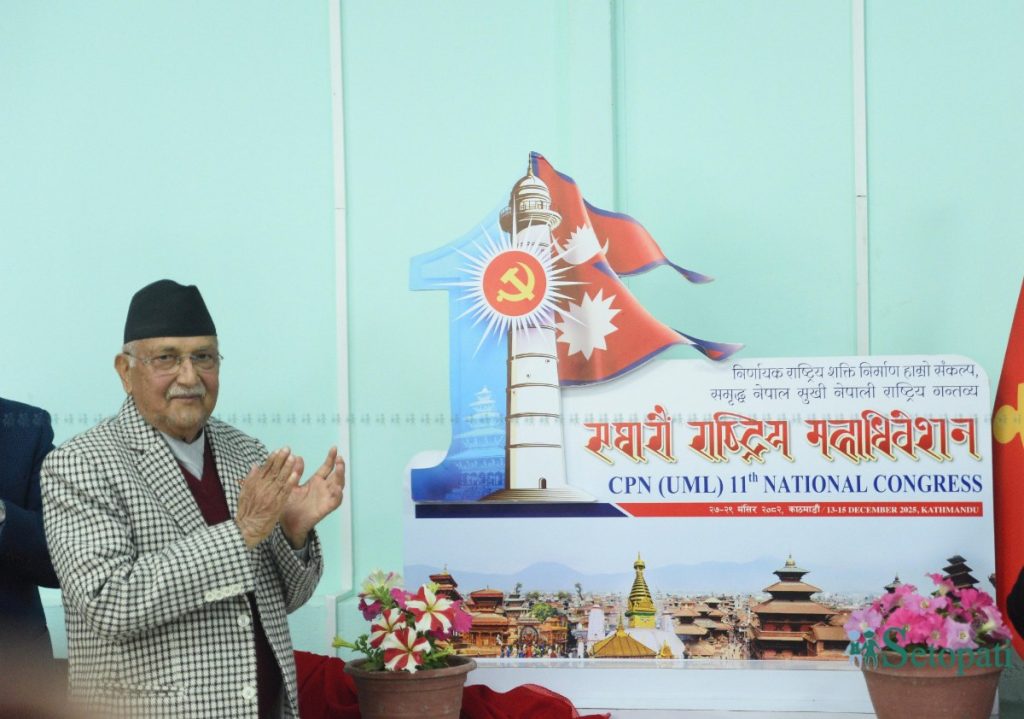
- Jhapa-5: KP Sharma Oli
- Jhapa-1: Ramchandra Upreti
- Sunsari-3: Bhagwati Chaudhary
- Morang-2: Dilipkumar Agrawal
Madhesh Province (UML candidate list 2082 highlights)
- Dhanusha-4: Raghubeer Mahaset
- Parsa-1: Pradeep Yadav
- Bara-4: Krishnakumar Shrestha
Bagmati Province & Kathmandu Valley (UML candidate list 2082 highlights)
- Kathmandu-5: Ishwar Pokharel
- Kathmandu-4: Rajan Bhattarai
- Chitwan-2: Asmin Ghimire
- Makwanpur-2: Maheshkumar Bartaula
Gandaki Province (UML candidate list 2082 highlights)
- Kaski-1: Bainbahadur Adhikari Kshetri
- Lamjung-1: Prithvisubba Gurung
- Parbat-1: Padam Giri
Lumbini Province (UML candidate list 2082 highlights)
- Dang-2: Shankar Pokharel
- Rupandehi-2: Bishnuprasad Paudel
- Banke-3: Suman Malla
Karnali Province (UML candidate list 2082 highlights)
- Surkhet-1: Dhruvakumar Shahi
- Jumla-1: Shantilal Mahat
Sudurpashchim Province (UML candidate list 2082 highlights)
- Kailali-4: Lekhraj Bhatt
- Kanchanpur-3: Dr. Deepak Prakash Bhatt
- Achham-1: Jhapat Bahadur Bohara
Koshi Province
- Taplejung 1: Kshitiz Thewe
- Panchthar 1: Aaindra Sundar Nemwang
- Ilam 1: Kazimān Kāgate
- Ilam 2: Suhāng Nemwang
- Jhapa 1: Ramchandra Upreti
- Jhapa 2: Devraj Ghimire
- Jhapa 3: Haribahadur Rajbanshi
- Jhapa 4: Lalprasad Sāwa Limbu
- Jhapa 5: KP Sharma Oli (Party Chairperson)
- Sankhuwasabha 1: Dr. Arjunkumar Kārki
- Dhankuta 1: Rajendrakumar Rai
- Tehrathum 1: Bhānubhakta Dhakāl
- Bhojpur 1: Sherdhan Rai
- Sunsari 1: Tikārām Limbu
- Sunsari 2: Sujan Lāmā
- Sunsari 3: Bhagwati Chaudhary
- Sunsari 4: Jagadishprasad Kusiyait
- Morang 1: Ghanashyam Khativada
- Morang 2: Dilipkumar Agrawal
- Morang 3: Irankumar Rai
- Morang 4: Jivan Ghimire
- Morang 5: Manoj Agrawal
- Morang 6: Binodprasad Dhakāl
- Solukhumbu 1: Kalpanā Rai
- Khotang 1: Dev Bikram Rai
- Okhaldhunga 1: Asmitā Thāpā
- Udayapur 1: Durgākumar Thāpā
- Udayapur 2: Ambarbahadur Rāymājhi
Madhesh Province
- Saptari 1: Sumanraj Pyākurel
- Saptari 2: Mohammad Jiyaul Rahman
- Saptari 3: Tārakānt Chaudhary
- Saptari 4: Gangāprasad Chaudhary
- Siraha 1: Ramshankar Yadav
- Siraha 2: Navinkumar Yadav
- Siraha 3: Lilānāth Shrestha
- Siraha 4: Dharmanāth Prasād Sāh
- Dhanusha 1: Ramchandra Mandal
- Dhanusha 2: Umāshankar Argarīyā
- Dhanusha 3: Julikumāri Mahato
- Dhanusha 4: Raghubeer Mahāset
- Mahottari 1: Lakshmi Mahato Koiri
- Mahottari 2: Kāsim Nadāf
- Mahottari 3: Manojkumar Singh
- Mahottari 4: Nilam Adhikāri
- Sarlahi 1: Manoj Kumar Devkota
- Sarlahi 2: Nāgeshwar Sāh
- Sarlahi 3: Hariprasād Upreti
- Sarlahi 4: Amanesh Kumar Yadav
- Rautahat 1: Ajaykumar Gupta
- Rautahat 2: Mohammad Atiullah
- Rautahat 3: Kundanprasād Kushwaha
- Rautahat 4: Ramji Prasād Sāh
- Bara 1: Achyutprasād Maināli
- Bara 2: Balbirprasād Chaudhary
- Bara 3: Jwālakumāri Sāh
- Bara 4: Krishnakumar Shrestha
- Parsa 1: Pradeep Yadav
- Parsa 2: Rimā Kumāri Yadav
- Parsa 3: Rupeshprasād Pānde
- Parsa 4: Jālim Miyā Mansuri
Bagmati Province (including Kathmandu Valley)
- Sindhuli 1: Pradeepkumar Katuwāl Kshetri (KC)
- Sindhuli 2: Manojjung Thāpā
- Ramechhap 1: Mādhavprasād Dhungel
- Dolakha 1: Pārvat Gurung
- Sindhupalchok 1: Suresh Nepāl
- Sindhupalchok 2: Sherbahadur Tāmāng
- Kavrepalanchok 1: Ami Tāmāng
- Kavrepalanchok 2: Ashokkumar Byānju Shrestha
- Dhading 1: Bhumiprasād Tripathi
- Dhading 2: Dhanbahadur Ghale
- Nuwakot 1: Badrī Maināli
- Nuwakot 2: Keshavrāj Pānde
- Rasuwa 1: Prembahadur Tāmāng
- Chitwan 1: Dāwā Dorje Lāmā
- Chitwan 2: Asmin Ghimire
- Chitwan 3: Shankarrāj Thapaliyā
- Makwanpur 1: Rameswar Rānā
- Makwanpur 2: Maheshkumar Bartaulā
Kathmandu Valley:
- Kathmandu 1: Mohanrāj Regmi
- Kathmandu 2: Manirām Phuyāl
- Kathmandu 3: Rameswar Phuyāl
- Kathmandu 4: Rajan Bhattarāi
- Kathmandu 5: Ishwar Pokharel (Senior Leader)
- Kathmandu 6: Amankumar Māske
- Kathmandu 7: Prakash Shrestha
- Kathmandu 8: Rajesh Shākya
- Kathmandu 9: Ajay Krānti Shākya
- Kathmandu 10: Binod Shrestha
- Lalitpur 1: Chetnāth Sanjel
- Lalitpur 2: Prembahadur Maharjan
- Lalitpur 3: Sandan Thāpā Magar
- Bhaktapur 1: Somprasād Mishra
- Bhaktapur 2: Mahesh Basnet
Gandaki Province
- Nawalpur 1: Bhāgirath Sāpkotā
- Nawalpur 2: Tilbahadur Mahat Kshetri
- Gorkha 1: Ramchandra Lāmichhane
- Gorkha 2: Milan Gurung
- Lamjung 1: Prithvisubba Gurung
- Tanahun 1: Bhagwati Nyaupāne
- Tanahun 2: Kedār Sigdel
- Syangja 1: Minprasād Gurung
- Syangja 2: Khimbahadur Thāpā
- Myagdi 1: Harikrishna Shrestha
- Kaski 1: Bainbahadur Adhikāri Kshetri
- Kaski 2: Rashmi Āchārya
- Kaski 3: Dāmodar Paudel Bairāgi
- Baglung 1: Hirabahadur Khatri
- Baglung 2: Manju Sharmā Chāslise
- Mustang 1: Indradhārā Dādu Bishta
- Manang 1: Polden Chopāng Gurung
- Parbat 1: Padam Giri
Lumbini Province
- Nawalparasi 1: Ramprasād Pāndey
- Nawalparasi 2: Lekhnāth Kharel
- Rupandehi 1: Dadhirām Nyaupāne
- Rupandehi 2: Bishnuprasād Paudel
- Rupandehi 3: Vāsudev Ghimire
- Rupandehi 4: Pramod Kumar Yadav
- Rupandehi 5: Khimlāl Bhattarāi
- Kapilvastu 1: Bishrām Prasād Chaudhary
- Kapilvastu 2: Drig Nārāyan Pāndey
- Kapilvastu 3: Birendra Kumar Kānodiyā
- Dang 1: Revatiraman Sharmā Ghimire
- Dang 2: Shankar Pokharel
- Dang 3: Ghanashyam Pānde
- Banke 1: Suryaprasād Dhakāl
- Banke 2: Mohammad Istiyāk Rāi
- Banke 3: Suman Malla
- Bardiya 1: Shālikrām Adhikāri
- Bardiya 2: Bimālā Bik
- Rukum East 1: Lilāmani Gautam
- Rolpa 1: Gokulprasād Gharti Magar
- Pyuthan 1: Suryabahadur Thāpā Kshetri
- Arghakhanchi 1: Pitāmbar Bhushāl
- Gulmi 1: Pradeepkumar Gyawāli
- Gulmi 2: Gokarnarāj Bishta
- Palpa 1: Nārāyanprasād Āchārya
- Palpa 2: Thākur Prasād Gaire
Karnali Province
- Salyan 1: Gulāvjang Shāh
- Rukum West 1: Nandaram Devkota
- Surkhet 1: Dhruvakumar Shāhi
- Surkhet 2: Kulamani Devkota
- Kalikot 1: Nāgindra Shāhi
- Jumla 1: Shāntilāl Mahat
- Mugu 1: Purnabahadur Rokāya
- Humla 1: Dal Phadera
- Dolpa 1: Lankabahadur Rokāya
- Dailekh 1: Ravindrarāj Sharmā
- Dailekh 2: Lakshmiprasād Pokharel
- Jajarkot 1: Dambar Bahadur Singh
Sudurpashchim Province
- Kailali 1: Dwārikāprasād Nyaupāne
- Kailali 2: Suryabahadur Thāpā
- Kailali 3: Gaurishankar Chaudhary
- Kailali 4: Lekharāj Bhatt
- Kailali 5: Yagyarāj Dhungānā
- Kanchanpur 1: Tārā Lāmā Tāmāng
- Kanchanpur 2: Bachanbahadur Singh
- Kanchanpur 3: Dr. Deepakprakāsh Bhatt
- Achham 1: Jhapatbahadur Boharā
For the complete UML candidate list 2082 with every constituency name, visit to official sources such as cpnuml.org (party website), election.gov.np (Election Commission). click here for RSP candidate list 2082.
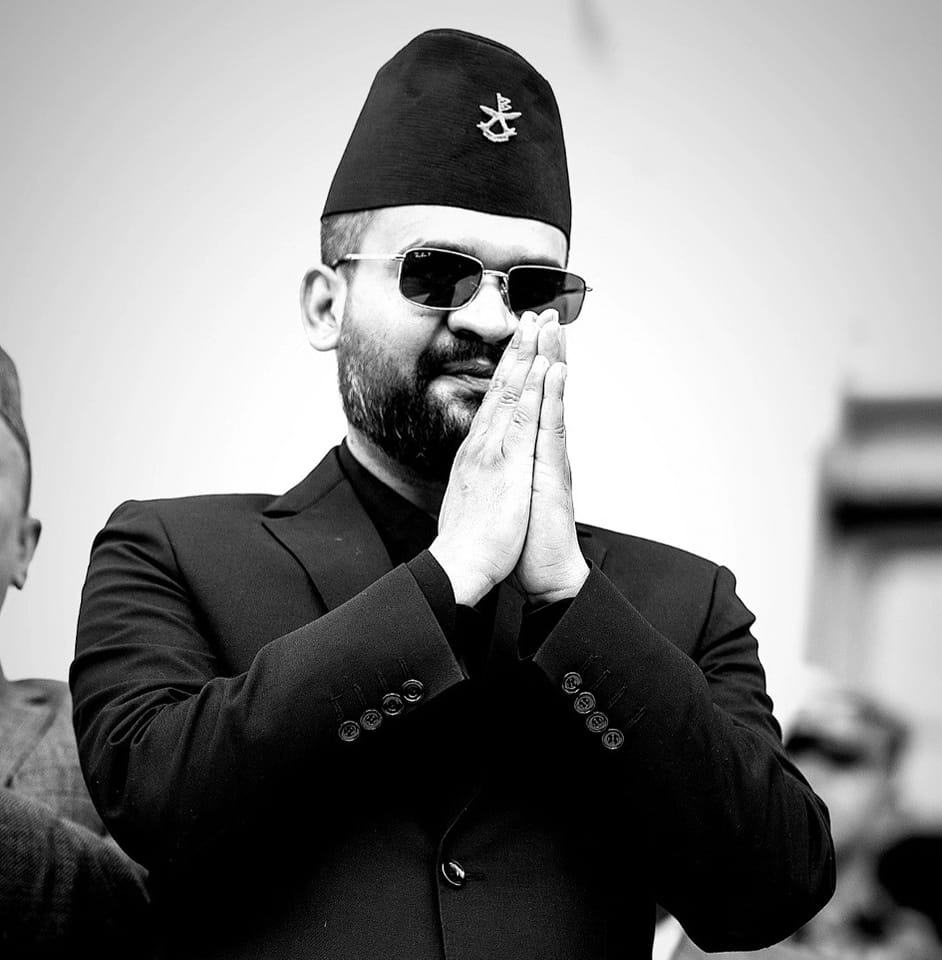
In the public interest, the UML candidate list 2082 sets the stage for electrifying showdowns, none more captivating than the high-stakes clash in Jhapa-5 between UML powerhouse KP Sharma Oli and RSP’s dynamic Balen Shah, pitting seasoned ideological leadership against youthful, reformist vigor in a battle that could redefine Nepal’s political landscape. This rivalry exemplifies the broader competition where powerful UML candidates like Ishwar Pokharel and Shankar Pokharel face off against formidable opponents from other parties, including Nepali Congress veterans and RSP innovators, fueling nationwide debates on governance, accountability, and generational change—ultimately empowering voters to shape the future amid intense scrutiny and heightened expectations for transparent, inclusive democracy.
UML Candidate List 2082: Continuity, Controversy, and a Changing Political Mood
As Nepal moves closer to the 2082 general election, the UML candidate list 2082 has become a major talking point in national political debate. The Communist Party of Nepal (UML), once the undisputed force of Nepali politics, has again released a candidate list that largely reflects continuity rather than change. While party leaders describe the list as “experienced and battle-tested,” public reaction on the ground tells a more complicated story.
A close look at the UML candidate list 2082 shows that many of the same faces who have contested elections for years are once again in the race. Senior leaders, long-serving MPs, and familiar political figures dominate most constituencies. UML argues that experience is essential for stability and governance, especially during economic and administrative uncertainty. However, critics say this approach ignores a clear public demand for renewal and accountability.
Public frustration is not new, but this election cycle feels different. Young voters, especially Gen Z, are far more vocal than before. Street protests, online campaigns, and social media discussions show a growing rejection of traditional power politics. For many of these voters, the UML candidate list 2082 represents a system that failed to deliver on employment, education reform, corruption control, and quality public services despite holding power multiple times.
At the same time, a strong alternative narrative is emerging. The rise of Rastriya Swatantra Party (RSP) and the continued popularity of independent leaders like Balen Shah have reshaped voter expectations. RSP’s candidate selection process stands in sharp contrast to the UML candidate list 2082. Doctors, engineers, professors, entrepreneurs, and professionals with clean public records have been prioritized. This has created a “new politics” appeal, especially among educated urban voters and first-time voters.
Political analysts note that UML’s reliance on long-standing candidates may backfire. Many of these leaders have already served multiple terms without visibly solving local issues such as unemployment, urban planning failures, health service gaps, and corruption allegations. In comparison, RSP’s candidates are largely untested politically, but they represent hope, merit, and competence to a frustrated electorate.
Why UML Risks Slipping From 1st to 3rd Party
This election could mark a historic shift. If public anger, Gen Z protest sentiment, and the growing craze around RSP and reformist leaders continue, UML risks falling from a leading position to third place. The UML candidate list 2082, dominated by repeat candidates, may struggle to inspire trust in a political environment that now rewards credibility, transparency, and results over legacy and slogans. Nepal’s voters are signaling clearly: experience without performance is no longer enough.