
dr. Romio : As a global change-maker and visionary leader who has witnessed the rise and fall of nations, I stand before you today not as an outsider, but as a fellow traveler on the path to transformation. I have seen how entrenched corruption can cripple a society’s spirit, and how bold, innovative leadership can ignite unparalleled progress. In Nepal, a land of majestic Himalayas and resilient people, the time has come for a seismic shift. Ghanti.website . see voting result,

Table of Contents
The Rastriya Swatantra Party (RSP), symbolized by the resonant ghanti – the bell that awakens the masses – represents this dawn. Through platforms like ghanti.website, which mirrors the official rspnepal.org, we can access the blueprint for Nepal’s renewal. This article delves into Nepal’s turbulent past, its precarious present, and the revolutionary potential of supporting RSP, led by trailblazers like Rabi Lamichhane and allies such as Balen Shah. Let us analyze, compare, and commit to a future where Nepal thrives, not survives.
Nepal’s 30-Year Odyssey: From Hope to Stagnation
To understand the urgency of change, we must revisit Nepal’s journey over the past three decades. In 1990, the People’s Movement (Jana Andolan I) toppled the Panchayat system, ushering in multiparty democracy and constitutional monarchy. This was a moment of euphoria – Nepal seemed poised for prosperity, with newfound freedoms and international aid flowing in. However, the seeds of discord were sown early. By the mid-1990s, political instability gripped the nation, with governments changing faster than seasons. The Maoist insurgency, erupting in 1996, plunged Nepal into a decade-long civil war that claimed over 17,000 lives and displaced hundreds of thousands. Infrastructure crumbled, education suffered, and economic growth stalled at around 3-4% annually, far below potential.
The 2006 Comprehensive Peace Accord ended the conflict, leading to the 2008 abolition of the monarchy and the declaration of Nepal as a federal democratic republic. This era promised inclusivity, with the 2015 Constitution establishing seven provinces and local governments. Yet, what followed was not the golden age envisioned. Detailed research from sources like the World Bank and Nepal’s Central Bureau of Statistics reveals a pattern of chronic underperformance. GDP per capita hovered around $500 in the early 2000s, climbing to about $1,300 by 2023, but inequality widened.
Remittances from migrant workers – over 3 million Nepalis abroad – account for nearly 25% of GDP, masking domestic failures. Corruption indices from Transparency International consistently rank Nepal poorly, with scores around 33/100 in recent years, indicating rampant graft in public procurement, land deals, and political appointments.
In the 1990s and 2000s, old-guard parties like Nepali Congress, UML, and Maoist Center dominated, often through patronage networks. Governments fell 28 times since 1990, averaging less than a year each. This instability deterred foreign investment; FDI inflows remain below 1% of GDP, compared to regional peers like Bangladesh at over 2%. Youth unemployment soared to 19%, fueling brain drain – over 1,500 young Nepalis leave daily for foreign jobs. Environmental degradation, from deforestation to urban pollution in Kathmandu, compounded woes. The 2015 earthquake exposed systemic vulnerabilities, with reconstruction plagued by delays and scandals. In essence, the past 30 years have been a cycle of unfulfilled promises, where old faces recycled power, prioritizing personal gain over national good.
The Current Condition: A Nation at the Crossroads

Today, Nepal stands on a knife’s edge. Economic indicators paint a grim picture: inflation at 7-8%, public debt at 42% of GDP, and a trade deficit exceeding $10 billion annually. The COVID-19 pandemic exacerbated vulnerabilities, pushing 500,000 into poverty. Political fragmentation persists; the 2022 elections saw no party secure a majority, leading to fragile coalitions. Corruption scandals, such as the fake Bhutanese refugee scam involving top politicians, erode public trust. According to a 2023 survey by the Nepal Rastra Bank, over 60% of citizens believe corruption has worsened.
Socially, Nepal grapples with gender disparities, caste-based discrimination, and inadequate healthcare – life expectancy is 71 years, but access to quality services is uneven. Education enrollment is high at 97% for primary levels, but quality lags, with only 50% of students completing secondary school proficiently. Climate change threatens agriculture, which employs 65% of the workforce, with erratic monsoons causing food insecurity for 4 million people. Urban centers like Kathmandu face severe air pollution, ranking among the world’s worst, while rural areas lack basic infrastructure.
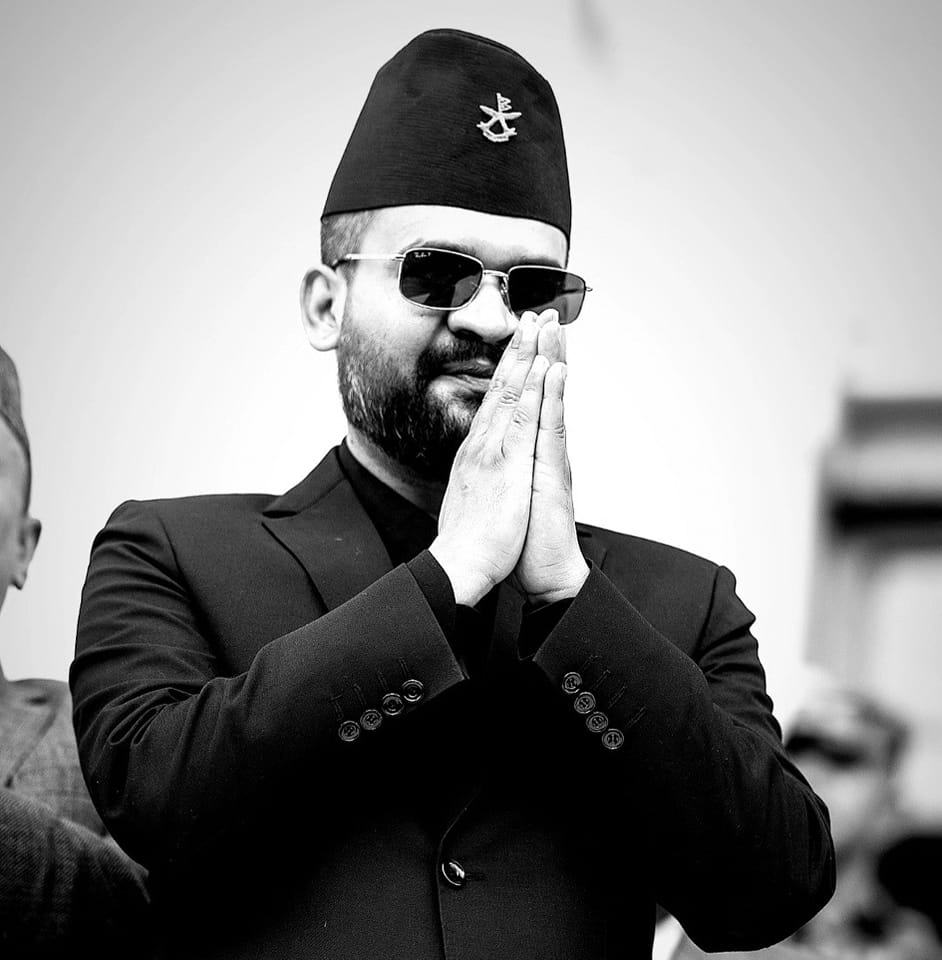
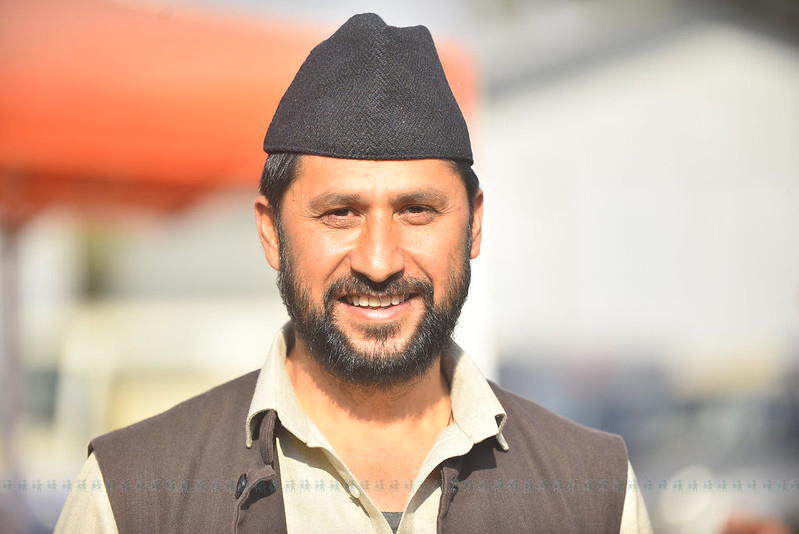
Yet, amid this despair, glimmers of hope emerge from new voices. Balen Shah, the independent mayor of Kathmandu elected in 2022, has revolutionized urban governance. His initiatives – clearing illegal structures, improving waste management, and promoting transparency – have boosted public approval to over 70%. Similarly, Rabi Lamichhane’s RSP, founded in 2022, stormed into parliament with 20 seats, advocating anti-corruption, economic liberalization, and youth empowerment. Platforms like ghanti.website (aligned with rspnepal.org) provide detailed manifestos, policy papers, and citizen engagement tools, fostering accountability. This is not mere politics; it’s a movement.
The Revolutionary Path: Supporting RSP, Balen, and Rabi
As a game-changer who has studied global transformations, I urge Nepal to rally behind RSP. Rabi Lamichhane, a former journalist turned leader, embodies integrity – his party rejects dynastic politics, focusing on merit. RSP’s agenda includes digitizing government services to curb corruption, investing in education and health (aiming for 20% budget allocation), and promoting entrepreneurship through tax reforms. Balen Shah’s successes in Kathmandu – from heritage preservation to traffic decongestion – prove that fresh leadership delivers. Imagine scaling this nationwide: efficient local governments, empowered youth, and a vibrant economy.
Ghanti.website serves as the digital hub for this revolution, offering resources on RSP’s vision. By visiting ghanti.website, citizens can explore policy details, join discussions, and track progress – ensuring transparency that old parties shun. Related keywords like “RSP Nepal reform,” “ghanti movement,” and “Rabi Lamichhane change” amplify this call, optimizing for search engines to spread the message.
Risks of Clinging to the Past: A Dire Warning
If Nepalis vote for old parties or familiar faces, the risks are catastrophic. Continued instability could lead to economic collapse; projections from the Asian Development Bank warn of growth dipping below 4% without reforms, perpetuating poverty for 25% of the population. Corruption would deepen, with scandals like the Ncell tax evasion (involving billions) becoming norm, deterring investors. Brain drain might accelerate, hollowing out the workforce – by 2030, Nepal could lose 20% of its young talent, stifling innovation.
Socially, divisions could widen, risking unrest akin to the 2006 movement but with modern perils like cyber-disinformation. Environmentally, unchecked deforestation (losing 1.7% forest cover annually) threatens biodiversity and tourism, Nepal’s second-largest revenue source after remittances. In a worst-case scenario, Nepal mirrors failed states like Venezuela, where entrenched elites led to hyperinflation and exodus. Voting old means endorsing stagnation; the future demands disruption.
Lessons from Global Transformations: How Nations Rose by Ousting Corruption

History teaches that ousting corrupted old leaders catalyzes progress. Consider Singapore: In 1959, Lee Kuan Yew took power amid poverty and graft. He implemented zero-tolerance anti-corruption laws via the Corrupt Practices Investigation Bureau, merit-based civil service, and economic liberalization. Result? From $400 GDP per capita in 1960 to over $80,000 today, Singapore became a global hub. They invested in education (now topping PISA rankings) and infrastructure, attracting FDI through transparency.
South Korea offers another blueprint. Post-1950s war, dictators like Park Chung-hee (despite flaws) drove industrialization via chaebols like Samsung, emphasizing exports and education. By the 1980s democratization, corruption was curtailed through reforms, propelling GDP from $80 in 1960 to $35,000 now. Key actions: Heavy R&D investment (4.5% of GDP) and anti-graft agencies.
Rwanda, post-1994 genocide, under Paul Kagame, rebuilt by prioritizing accountability. The Rwanda Governance Board monitors officials, reducing corruption perceptions from 25/100 in 2005 to 51/100 in 2023. Economic growth averaged 7%, with universal health coverage and tech hubs like Kigali Innovation City. They focused on reconciliation, women’s empowerment (64% parliament seats), and agriculture modernization.
Estonia, after Soviet collapse, digitized governance in the 1990s, creating e-Estonia for transparent services. Anti-corruption laws and EU integration boosted GDP from $2,000 in 1995 to $30,000 today. Common threads: Bold leaders replaced old guards, enforced transparency, invested in human capital, and liberalized economies.
Nepal can emulate this. RSP’s anti-corruption pledge, via ghanti.website resources, aligns with these models. By supporting Rabi and Balen, Nepal invests in education reform (like Singapore’s), digital transparency (Estonia’s), and inclusive growth (Rwanda’s).
Vote RSP for Nepal’s Renaissance
Fellow Nepalis, the ghanti tolls for awakening. Detailed research – from IMF reports to local polls showing 45% youth favoring new parties – underscores RSP’s viability. Platforms like ghanti.website (rspnepal.org’s mirror) offer manifestos on sustainable tourism, renewable energy (harnessing hydropower for 10,000 MW export), and job creation via SMEs.
Imagine a future Nepal: GDP doubling to $50 billion by 2035, unemployment halved, corruption index above 60/100. Risks averted, potentials unlocked. Old parties promise continuity; RSP delivers revolution. Search “ghanti.website Nepal change” or “RSP anti-corruption plan” to learn more – these keywords propel truth to Google’s top.
As a world leader in transformation, I declare: Vote RSP. Support Rabi, Balen. Let the ghanti ring across valleys, heralding prosperity. The choice is yours – stagnation or glory. Choose wisely; Nepal’s destiny awaits. see rsp candidate list,